Commerce has come a long way from the bartering system. When currency became the acceptable medium of exchange, it only made sense that a better system of marking products was needed.
The first barcode was created in 1952, but they weren’t put into use in commerce and the transaction process until 1974, when a pack of Wrigley’s gum was scanned in a supermarket in the state of Ohio.
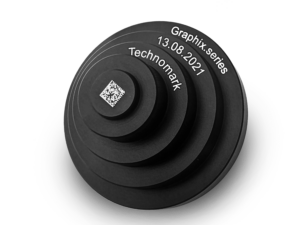
Barcodes have become widely used and have been upgraded and improved in an ongoing process. From the days when a barcode took up a significant amount of the packaging and contained limited information to today’s Data Matrix codes that are significantly smaller and can hold more data, the barcode development process has been fast and focused on efficiency.
Here we will focus on Data Matrix codes, their importance, their history, and an in-depth look at:
How they’re generated
How they differ from other marking processes
What industry these are most common in and on which type of materials and parts are they commonly found
Industrial marking systems are automated solutions used to permanently mark a variety of materials, including plastic, and metal. They can provide a high degree of accuracy and quality in the markings they produce.
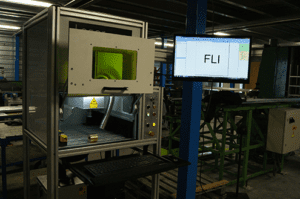
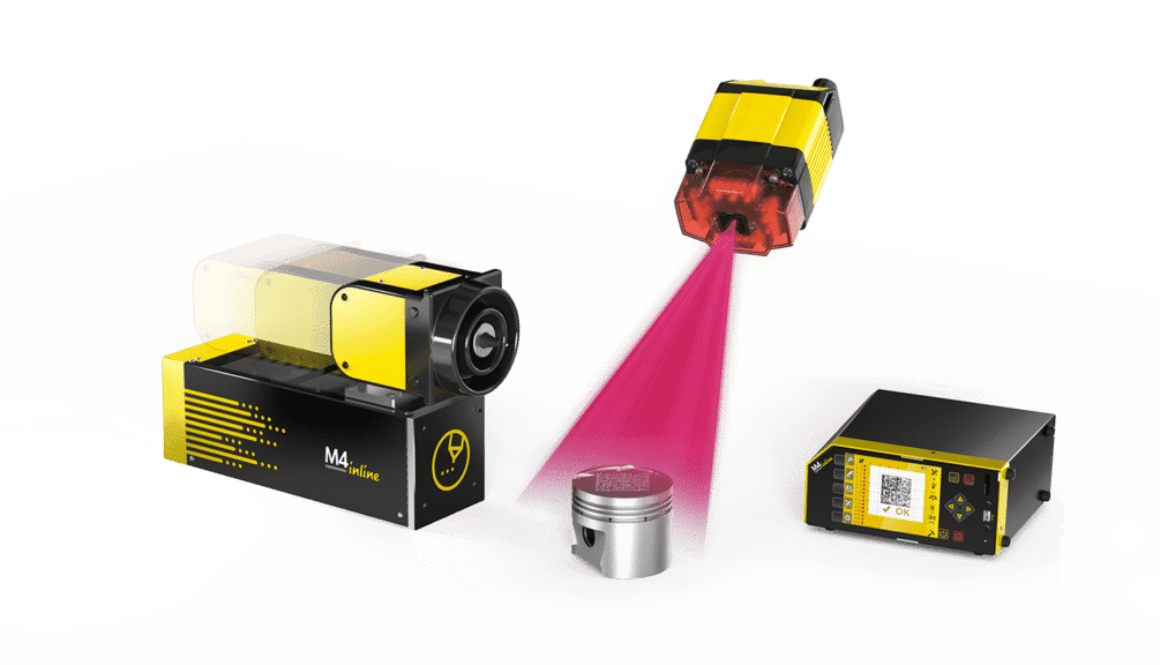
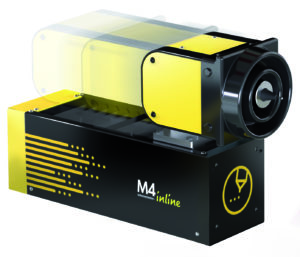
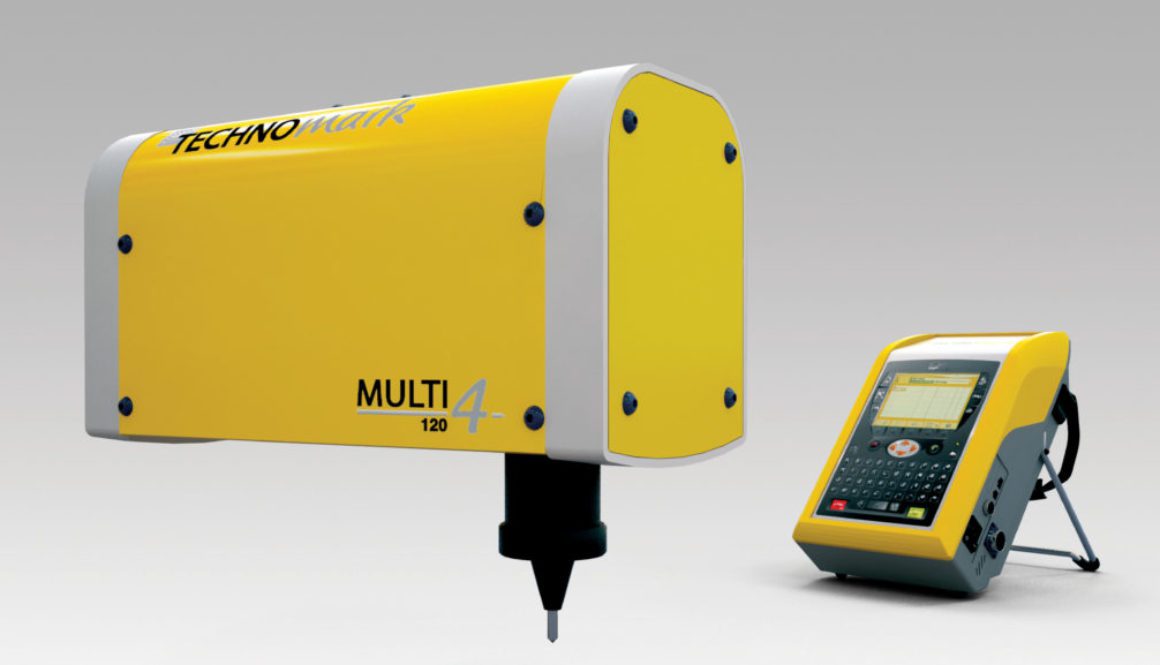
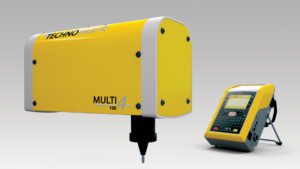
Industrial marking systems such as the M4 Inline can be used for a variety of applications including product identification, traceability, part numbering, serialization, and more. Integrated dot peen marking is one type of industrial marking system that uses compressed air to form dots that together create letters or numbers.
When it comes to industrial marking systems, this model is an efficient way to mark items quickly and accurately. Marking solutions featuring this technology can provide flexibility in terms of font size, typeface selection, and line spacing. The M4 Inline makes it easier to configure this system for optimal performance when integrated correctly into the existing production line.
Overview of Industrial Marking Systems
Industrial marking systems come in many varieties, allowing for flexibility and scalability depending on the size of the product being marked. Common types of industrial marking systems include:
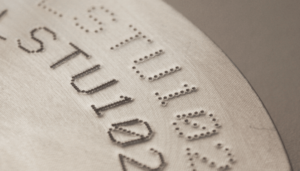
Dot peen marking is a popular choice for parts that require permanent marks in various materials such as steel or aluminum. This type of system uses mechanical pins to create marks into the surface of the material with an automated motion. The versatility of dot peen makes it suitable for many applications such as serial numbers, logos, images, text, and barcodes.
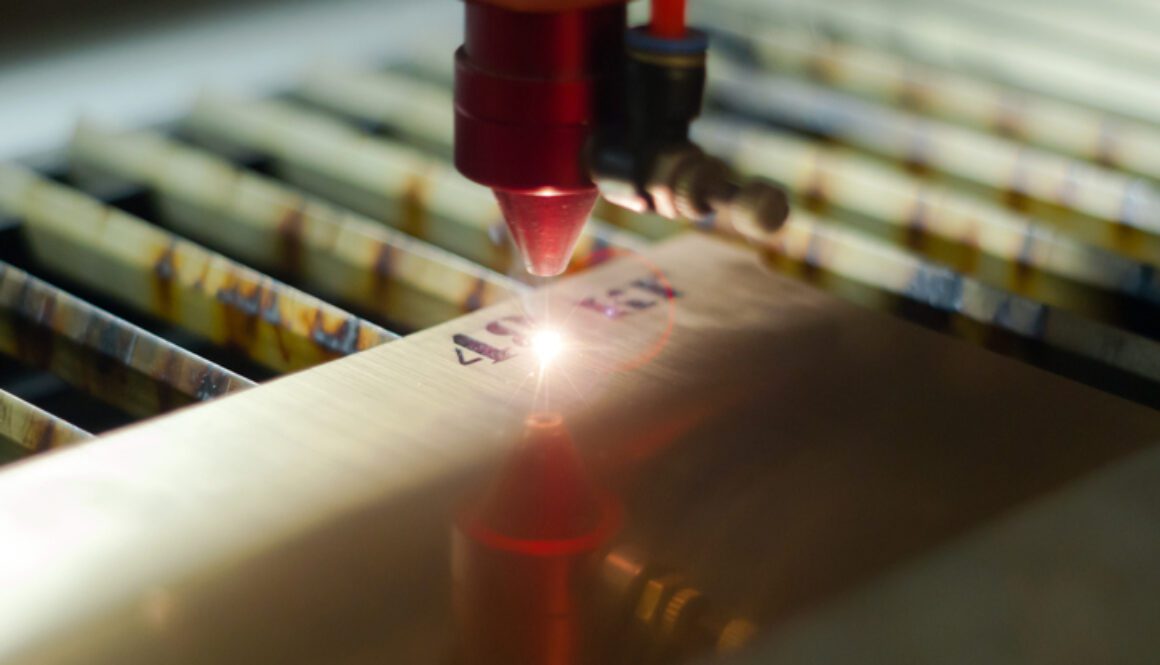
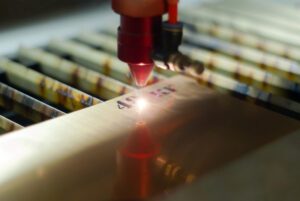
Laser engraving is another effective way to mark parts such as stainless steel or plastic; this type of system uses a high-powered laser beam to precisely remove material from the material’s surface to create desired markings. It can also be used for deep impressions that are permanent and tamperproof.
Thermal transfer printing involves using a combination of heat and pressure to press ink onto the material’s surface to create a clear image or text that will not fade over time. This technique is an excellent choice for complex designs that require crisp resolution quality with durability against environmental wear and tear.
Inkjet printing uses high-pressure jets of liquid ink to deposit tiny droplets onto surfaces to create readable characters and images with vibrant colors and resolutions up to 600 dpi or more. This method is ideal for creating intricate design elements and detailed logos in short production runs with minimal setup times.
Applications of Industrial Marking Systems
Traceability and product identification are essential in a wide range of industries, from food and beverage production to medical device production to automotive manufacturing. Product traceability is the process of tracking each item through the life of its production process. This enables real-time monitoring of products, making it possible to identify exactly where they came from and when, as well as who handled them.
Traceability allows companies to have an accurate audit trail in case of recall or fraud, enabling them to quickly and effectively trace the source of any defective items.
Product identification helps companies differentiate their products from competitors by creating unique identifiers like barcodes or serial numbers for each item produced. These can be printed on labels using industrial marking systems such as thermal transfer printing or inkjet printing.
Product identification also ensures that each item can be properly identified during assembly and throughout its whole life cycle, enabling more efficient inventory management and ensuring accurate record-keeping for regulatory compliance and customer safety.
Compliance labeling is the process of marking products to show the product has passed certain safety and quality standards. These products meet certain standards, such as those imposed by regulatory bodies like the Food and Drug Administration or industry associations like Underwriters Laboratories.
The need for compliance labeling by industry is twofold:
It provides customers with the assurance that products meet at least certain minimal safety and quality criteria
It can protect companies from liability in the event of something going wrong. For example, if a product does not comply with applicable safety standards or fails to meet a customer’s expectations, then the company may be held liable if evidence of their compliance labeling can be proven.
Companies, therefore, have an incentive to properly label their products in accordance with applicable safety and quality regulations.
Part marking methods can also play an important role in the branding and promotional marketing of a product or company. By using a unique part marking system, companies are able to differentiate their products from competitors through a recognizable and memorable logo, while also ensuring that the safety and quality standards required for compliance labeling are met.
Unique part marking systems can help to create a strong brand identity by providing customers with an easy way to identify a certain product as belonging to the same company or family of products. Additionally, part marking processes can be used in promotional campaigns as well, such as when running contests or giveaways that require customers to identify specific parts. In this way, companies are able to both promote their products and ensure that they comply with applicable regulations at the same time.
Connectivity in Industrial Marking Systems
Connectivity in industrial marking systems refers to the ability of marker equipment to communicate with other devices and systems, such as computers, printers, and databases. Connectivity allows for information to quickly be exchanged between different components of a system, often resulting in increased accuracy and efficiency.
Benefits of connectivity in industrial marking systems include:
Automated data logging: Marking machines can log data automatically without manual intervention, making it easier to trace products through their entire life cycle.
Faster production times: Connected marking machines allow users to access more information quickly and make decisions based on that data more efficiently, leading to quicker production times.
Increased accuracy: Information can be stored securely within a connected system, ensuring that parts are correctly identified and marked.
Improved safety: Remote access functionality makes it possible to monitor markers from any location, reducing the likelihood of safety hazards associated with traditional marking methods.
Cost savings: Automated systems eliminate the need for manual labor and provide cost savings in terms of time spent on processes like labeling or labeling inspection.
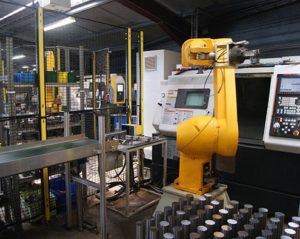
Integrating an industrial marking system with the manufacturing process can provide a number of benefits, including consistency and improved traceability. Automation ensures that all parts are marked with the same specifications, avoiding variations in quality or accuracy due to manual labor, while a connected system makes it possible to track parts as they move through the production line, allowing users to identify and troubleshoot potential issues more quickly.
In addition, integrated dot peen marking improves security, as cloud-based systems allow for secure access control, making it possible to ensure that only authorized individuals have access to sensitive data and information. Efficiency is also improved, as the decision to connect machines reduces the need for manual labor and reduces human error, which can help speed up production times.
Capabilities of the M4 Inline
The M4 Inline provides a dot peen marking solution where the equipment is paired with a translation unit and a proofreading and information processing system. The system allows for integrated automation and positioning vertically, horizontally, or inverted to provide the best marking angle for the product line.
This system also offers two operating modes: automatic or expert. These features combine to provide numerous benefits, including:
Improved traceability
Better quality control
Enhanced data management
Error reduction
Reduced downtime
The M4 Inline dot peen marking system is a powerful and convenient tool for the production environment. The automated capabilities mean increased accuracy and traceability, as well as improved quality for the mark produced.
The combination of integrated automation and connectivity utilities makes dot peen marking systems an excellent choice for any manufacturers looking to increase their efficiency in the production line.
The use of dot peen marking machines is prevalent in various industries. This popularity is due to the number of different configurations possible, including mixed-use where portable can become integrated in a short amount of time.
What is Dot Peen Marking?
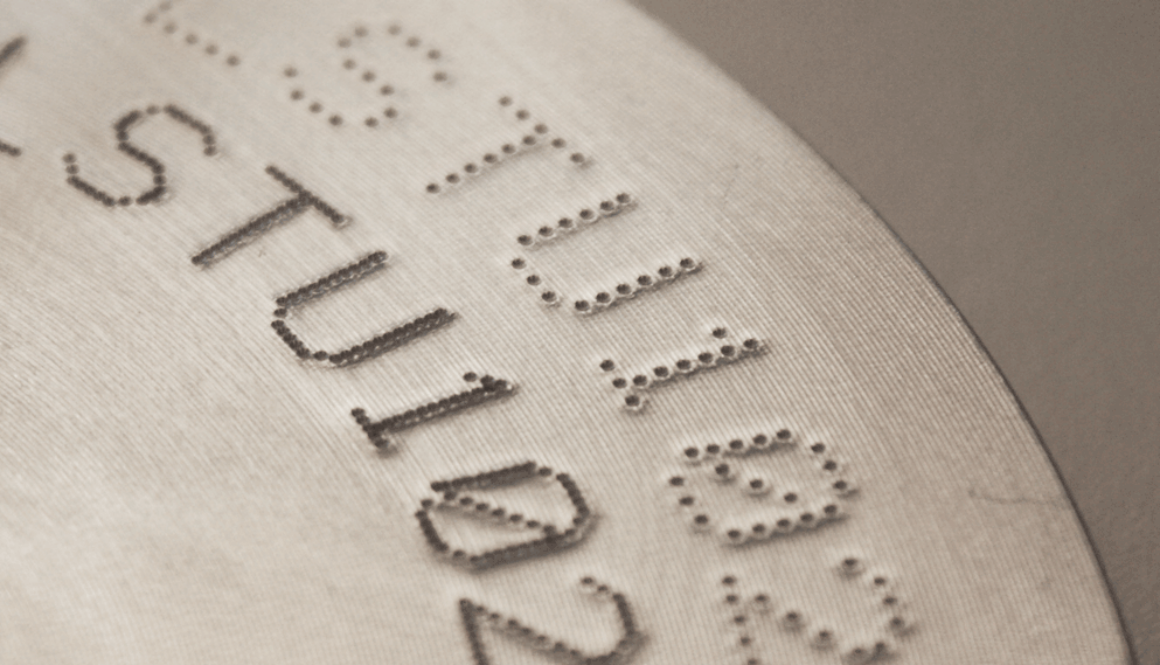
Dot peen marking is a process utilizing either electromagnetic or pneumatic force to rapidly vibrate a stylus and indent a predetermined system of marks into a surface. This process provides a reliable marking method for industries where precise tracking processes are required and extended product ID readability is required.
Dot Peen Marking: 10 Manufacturing Benefits
Numerous industries have set regulations for product IDs regarding both longevity and readability. The automotive industry, for example, integrates dot peen marking systems into its production line, providing the opportunity to mark different types of parts with an ID that will be readable and last.
There are 10 notable features of dot peen marking machines:
Versatility
Micro-percussion
Industry 4.0
Data storage
Marking options
Capable of marking various materials
Low maintenance
No waste generated
Marks uneven surfaces
Adaptable based on market needs
1. Versatility
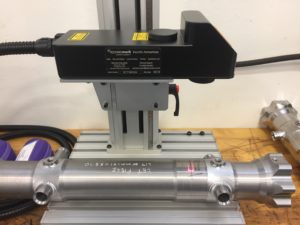
A dot peen marking machine can be portable, which is ideal for marking large part batches, frames, or other large products. For marking and engraving small to medium-sized parts, the machine can be attached to a column base. This can be done quickly and efficiently, allowing you to integrate it into a line for mass production as well.
2. Longevity
This style of marking makes numerous impressions using a stylus to deform the material. The mark is permanent and will be readable for the life of the part. This method is increasingly popular for bicycles, aircraft parts, and VINs on vehicles.
3. Industry 4.0
Today’s industrial manufacturing is moving into its next iteration: Industry 4.0. This phase has a focus on real-time, connected interfaces that allow for external influence from a distance. The dot peen marking machine can be connected to the network to share information in real time. This also allows for external control and automation of the marking process.
The grid connection can also allow data compilation to ultimately anticipate maintenance needs, such as lubrication or part replacement.
4. Data Storage
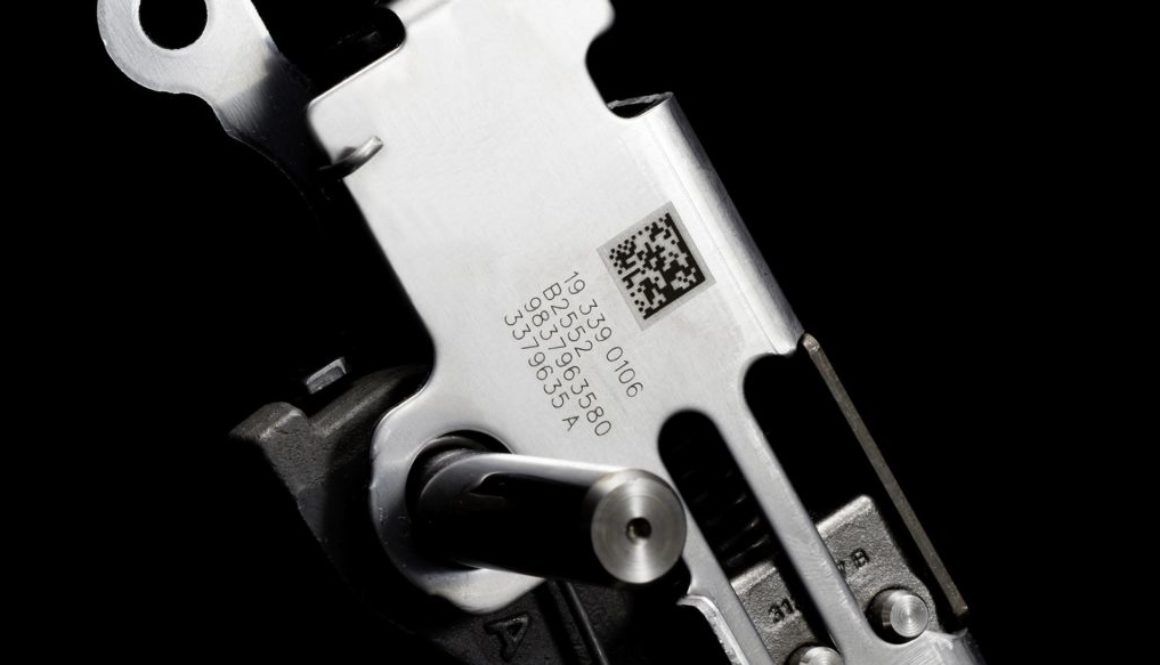
Datamatrix has significant capacity allowing for up to 2335 alphanumeric or 3116 numeric characters in 1 cm² surface. This type of code also provides a reliable and readable mark, even with up to 20% deterioration.
5. Marking Options
There are numerous options for marking parts, available as needed and with minimal adjustment. These include:
Alphanumeric
2D code
Visuals
Orientation and deformation
6. Capable of Marking Various Materials
Dot peen marking machines allow for marking a variety of materials, but there is a limit based on the durability of the material. Steel, aluminum, bronze, and carbide are only some of the materials that can be successfully marked by a dot peen marking machine.
7. Low Maintenance
The dot peen marking system utilizes a tungsten carbide stylus, which is long-lasting but does wear out over time. The continuous impact with durable materials means replacement is necessary at some point, and plans should be made accordingly.Another regular maintenance task is to reset the stylus spring, which is done at the time the stylus is replaced.
8. No Waste Generated
No fractures occur in the materials during dot peen marking, as the focus is creating a mark in the material without removing any layers. With no material removed, no waste material is generated.
9. Marks Uneven Surfaces
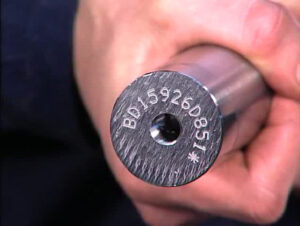
Dot peen marking can be done on non-flat surfaces. The machine can mark a surface with a difference of up to 5mm. Cylinders and angular surfaces can also be marked.
10. Adaptable Based on Product Requirements
Accessories accompany dot peen marking machines, expanding on their versatility. For products that require a more specific marking process, personalization of the dot peen marking process is possible.
The number of controller outputs is adaptable, and accessories such as a bellows (ideal for dusty environments) or a clamping system, are available to adapt the machine as necessary. The clamping system provides an opportunity to mark the median as well as the circumference of the product.
Dot Peen Marking Machines Deliver
Dot peen marking machines are efficient and versatile, providing options for both portable and integrated use. These machines are the solution to creating long-lasting marks with no materials removed from the product surface.
The integration of a dot peen marking machine into your mass production process can ensure your products effectively meet regulatory requirements.
Ready to Learn More?
Dot peen marking systems are versatile, up-to-date, and create little to no waste. For more information on the dot peen marking process, consider these resources:
Customized part marking is essential for the successful production of parts in a variety of industries. By applying unique identifiers to each part or component, manufacturers can ensure precision in their production process while ensuring traceability throughout product life cycles. An industrial metal engraving machine provides that capability during the production process.
Part marking is also an essential tool for reducing waste and improving efficiency across a variety of sectors. In fact, the use of metal marking is vital to the production of more industries than you think.
6 Uses for Custom Part Marking in Industrial Settings
The use of an industrial metal engraving machine is well worth the investment for a variety of industries, but the following six see particular advantages:
Aerospace part marking
Medical marking for UDI
Automotive and data matrix
Oil & Gas
Electronics
Metalworking
Aerospace Part Marking
Aerospace part production demands a high degree of accuracy because of the extended exposure to high heat and vibrations, which can lead to part failure. As a result, customized part marking is necessary for the successful completion of parts that meet the strict requirements of the aerospace industry.
Metal marking machines also reduce waste and increase efficiency in production, as it allows for accurate identification of parts while not causing damage to the part surface. Aerospace part markingprovides a unique identifier for each part produced, which can help ensure traceability throughout the entire aerospace product life cycle. Aerospace equipment is costly, which means proactively avoiding defects can make a difference in the profit margin.
Both dot peen and laser marking can be efficient methods of custom part marking for aerospace production.
Medical Marking for UDI
Unique Device Identification (UDI) is a system of marking medical devices, such as pacemakers and artificial joints. UDI identifies and traces each device throughout all stages of its life cycle. It enables easy identification of specific product versions and lots, helping prevent mix-ups or recall issues in the case of a malfunction.
Other information required by the FDA or other regulatory agencies
Automotive and Data Matrix
The automotive industry relies heavily on part marking to catalog and traces each component throughout the production process and the vehicle’s life span.
Data matrix codes provide significant information in a small surface area and make it easier to read throughout the component’s useful life. Data matrix is:
Essential for providing a unique identifier for each part
Used to store expiration date, lot code, batch number, serial number, and other data required by regulatory agencies
Essential to reduce waste in automotive production by ensuring accuracy when marking parts with customized identifiers
Oil & Gas
Parts for the oil and gas industry must be marked with special techniques to ensure they’re identifiable both downhole and on the surface. This is critical, as oil and gas parts have a variety of components that will be exposed to high pressures and harsh environmental conditions. Therefore, permanent mark identification is required to ensure traceability and reduce liability in the event of a failure.
Part marking is also essential for safety, as it provides personnel with the information needed to ensure proper operation and maintenance of oil and gas parts. By applying customized part markers, manufacturers can make sure that the right type of parts are used in each application, reducing unnecessary risks and ensuring optimal performance.
Metal marking machines are also necessary for oil and gas parts to ensure they meet the requirements of their specific industry. These unique part markers can reduce waste in production, as they allow you to ID parts quickly and accurately without manual labor or additional equipment. This helps in reducing errors and improving efficiency.
Electronics
In the electronics industry, part marking is essential for traceability and identifying counterfeit parts. By applying unique identifiers to each component, manufacturers can ensure that only genuine parts make it into their products.
QR codes are increasingly being used to identify electronic products in a number of industries. QR codes are 2D barcodes that can be scanned and read by a smartphone or other device.
In the electronics industry, QR codes can track components throughout the manufacturing process. They’re also used to store serial numbers, batch numbers, and expiration dates.
QR codes are also becoming increasingly popular for tracking electronics in the supply chain, as they allow companies to quickly and accurately identify products throughout their life cycle. This reduces the risk of product mix-ups and mislabeling, while helping to ensure that all products are safe and compliant with industry standards.
Metalworking
Custom part marking is an essential process in metalworking, where shops often have numerous orders and projects going on at once. By applying unique identifiers to each part, manufacturers can quickly and accurately identify the components they need for their various projects. This helps reduce waste in production, as it eliminates the possibility of errors and increases run speed.
Part marking is also essential for metalworking to ensure that end products meet industry standards and specifications.
Part marking systems for metalworking are typically laser- or ink jet-based, as these methods create permanent marks that won’t fade and become unreadable over time. Laser marking has the advantage of being more precise than traditional methods, and is usually the preferred choice when producing parts with tight tolerances.
Metal Marking Machines in Your Industry
Custom part marking is essential for the success of any production process, especially in mission-critical industries like aerospace, medical, automotive, oil and gas, electronics, and metalworking. By applying unique identifiers to each component or product being produced, manufacturers can ensure accuracy and traceability throughout their entire life cycle.
Additionally, customized part markers reduce wasteful errors caused by mislabeling or mix-ups. With the right custom marking system in place, businesses can work more quickly while still taking care to meet industry standards and regulations.
More From the Direct Part Marking 101 Series
Metal marking machines are key to a variety of industries. Each use case is unique.
Take a look at other blog posts in our Direct Part Marking 101 series:
Are you a manufacturing professional looking to stay ahead of the curve? If so, EASTEC 2023 is the event for you! This three-day conference and expo will allow attendees to learn from industry experts, explore new products and technologies, and gain valuable insights into modern manufacturing processes.
Technomark will be in Booth 3157 May 16-18 at the Eastern States Exposition in West Springfield, Mass. If you want to stop by and have parts marked live, registration for the event is open. Remember to register with Technomark’s promotional code: 16253977E. This will make badge creation free for those interested (normally $50).
EASTEC | What to Expect
Attendees will have access to industry-leading manufacturers and suppliers, allowing them to gain valuable insights into new products, processes, and technologies. In addition, EASTEC 2023 will feature interactive workshops, seminars, and panel discussions with industry experts.
The schedule for this year’s event includes a number of speakers:
Michael Carroll, VP of Innovation and Transformation at Georgia-Pacific
Mark Michalski of Forge
Craig Owens, Systems Engineer, Principal, and Corporate SBIR Program Manager at Lockheed Martin
Roger Landolt, Senior Software Solution Manager at ZEISS Industrial Quality Solutions
Workshops during the upcoming EASTEC show will highlight the following areas:
“GD&T: Why Do we Hate, Love and Need it for Manufacturing Excellence?”
“Smart Manufacturing – Why It Matters and How to Achieve It”
“Adopting and Optimizing Additive Manufacturing”
Why Attend EASTEC?
EASTEC is a unique and remarkable manufacturing trade show that offers an opportunity to learn, explore and discover the latest advances in technology and manufacturing.
This event provides an excellent platform for attendees to learn from top leaders in their respective fields and network with others in the manufacturing community.
By attending EASTEC 2023, you will join thousands of other professionals in the manufacturing industry who are looking to stay ahead of the curve. With networking opportunities and the latest technological advancements, there’s something for everyone.
4 Things to Do in Springfield
Not all of your time will be spent at the exhibits and workshops during EASTEC 2023. Once you have grabbed a bite to eat, consider one of these options for entertainment:
1. Visit the Springfield Museums to learn more about the history of Springfield and its diverse culture. Storrowton Village Museum, for example, offers insight into early 19th-century life. 2. Enjoy a scenic ride on the Springfield trolley along this vibrant city’s rivers, valleys, and historical sites. Visitors can explore numerous historical sites throughout the city that reflect this varied past, from the Springfield Armory National Historic Site, which preserves one of America’s most important military landmarks, to Duryea Way honoring James Duryea, who made significant contributions to automobile production during his lifetime. 3. Explore the Forest Park Zoo of Springfield and its many exotic animals. Located on the banks of the Connecticut River, this vibrant and educational zoo offers visitors an up-close look at some of nature’s most exotic creatures. From majestic tigers to tiny tree frogs, there are plenty of animals to observe and learn about in this unique setting. In addition to its impressive animal collection, the zoo also features interactive exhibits allowing visitors to get closer to their favorite creatures. 4. Visit the Naismith Memorial Basketball Hall of Fame, located in Springfield. The museum offers information on more than 400 inductees and over 40,000 sq. ft. of basketball history – drawing more than 200,000 visitors each year.
The Countdown is On
When it comes to a CNC trade show, the right ones provide access to information on new technology and networking opportunities to connect with new suppliers. EASTEC 2023 provides these resources and more. Don’t forget to register! Technomark staff will be waiting at Booth 3157.
Can’t Make it to EASTEC?
Our experienced staff is available to discuss all things part marking. If you want to learn about laser marking, consider reading through this resource:
Whereas a precision machinist might select a material specification based on the intended use of the end product, technology selection for part marking works the other way around:
The material type determines the marking machine, if needed; the marking method doesn’t determine the material type.
We’ll break down which part marking methods work best with various material types so you can decide which industrial traceability solution is best for you.