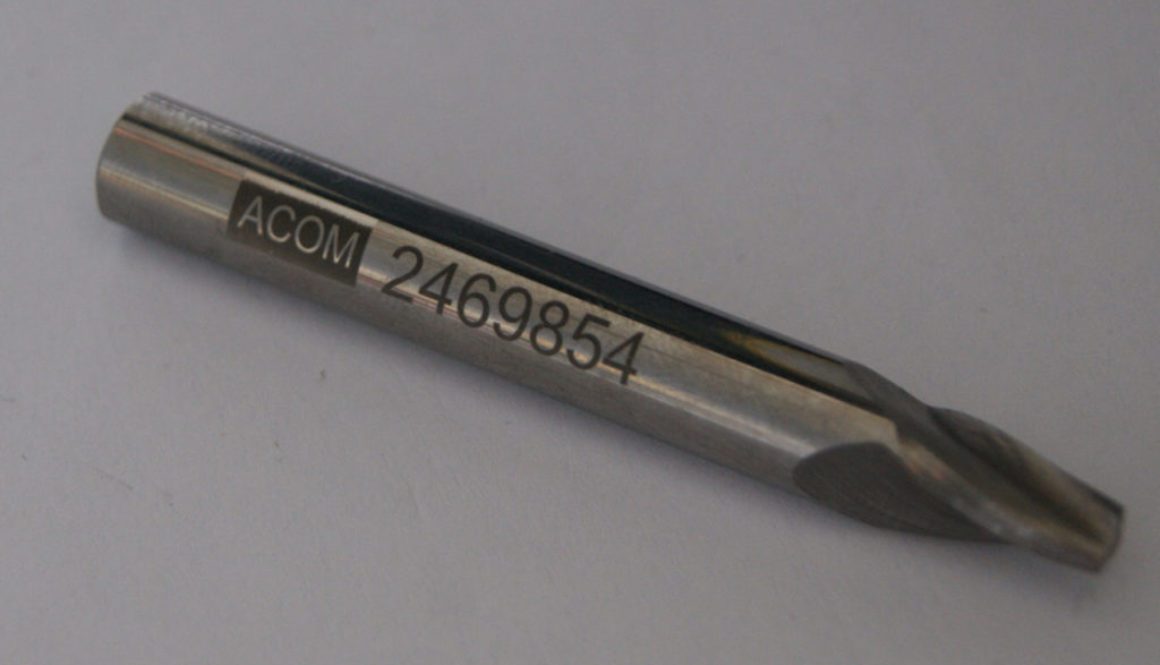
Which Part Marking Method Is Best for Your Materials?
Choosing the right way to mark your parts starts with understanding your materials. Unlike material selection, where engineers pick alloys and polymers based on performance needs, part marking works in reverse: The material you need to mark dictates the marking technology that’ll work best.
Whether you’re trying to mark metal, plastic, or organic materials like wood or rubber, certain marking methods will deliver better results in durability and clarity.
In this guide, we’ll break down the most reliable industrial marking methods and explain how to match them with your specific material types without unnecessary expense or complexity.
Material Compatibility and Marking Technology
The material your components are made from plays the biggest role in determining which direct part marking method will work best. Different surfaces respond differently to marking technologies, so choosing the right method starts with understanding what you need to mark.
Before investing in a traceability solution, it’s important to identify your material types. When the marking method aligns with the material, you’ll get clearer, longer-lasting results without added costs or complexity.
One simple way to narrow your options is to group materials into two broad categories: organic and non-organic.
Marking Organic Materials
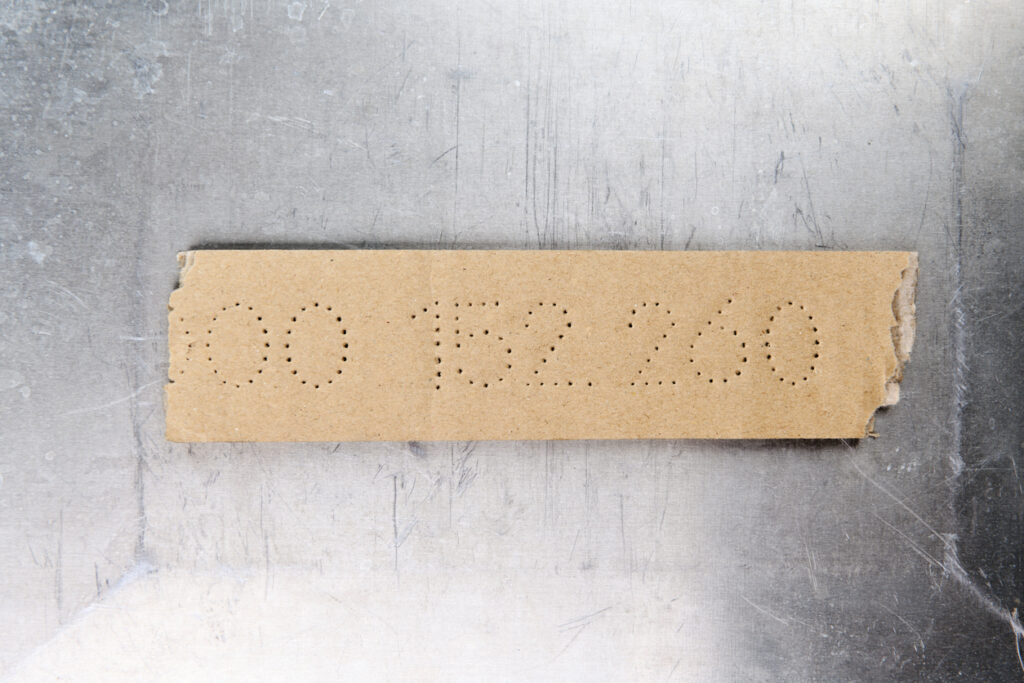
Organic materials are easy to recognize because we encounter them in everyday life. These materials are made from naturally occurring compounds and tend to break down over time.
Think of materials like:
- Wood
- Leather
- Paper
- Corkboard
- Concrete
- Rubber/Elastomer
- Glass
Because of their softer or more variable composition, organic materials can be difficult to mark using traditional part marking methods.
Challenges With Direct Marking
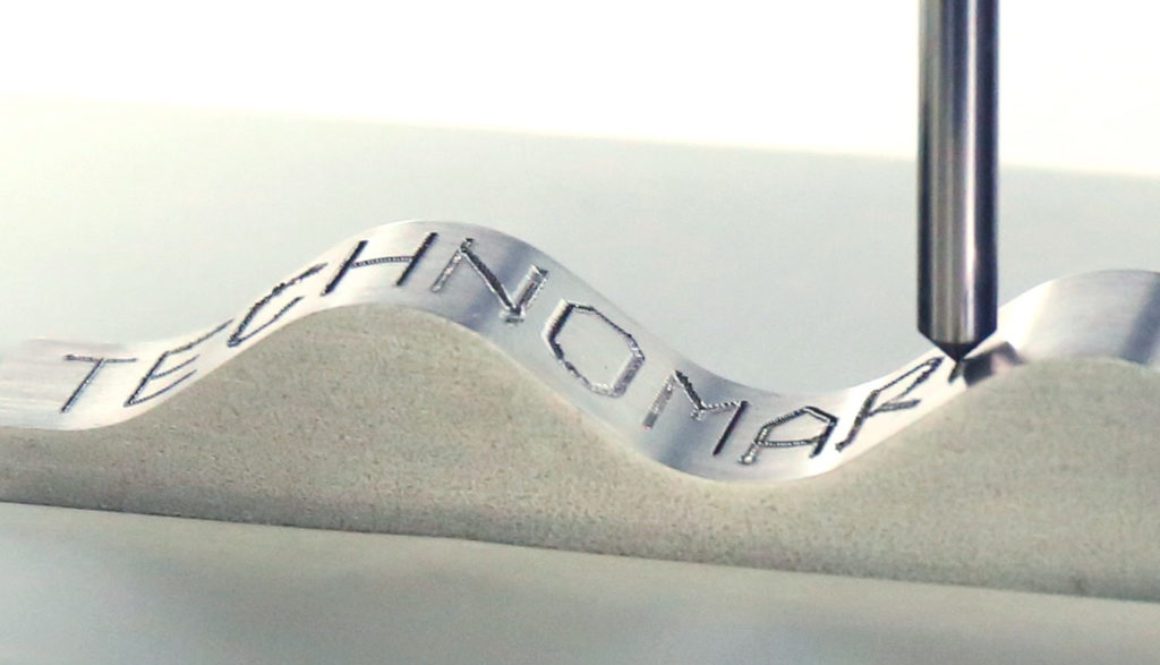
Techniques such as dot peen marking create marks by physically displacing material on the surface using a carbine-tipped stylus. While this works well for harder materials like metals, it often causes unwanted deformation when applied to organic compounds.
Because of this, dot peen marking is typically not ideal for organic materials.
Better Options: Non-Contact Marking Methods
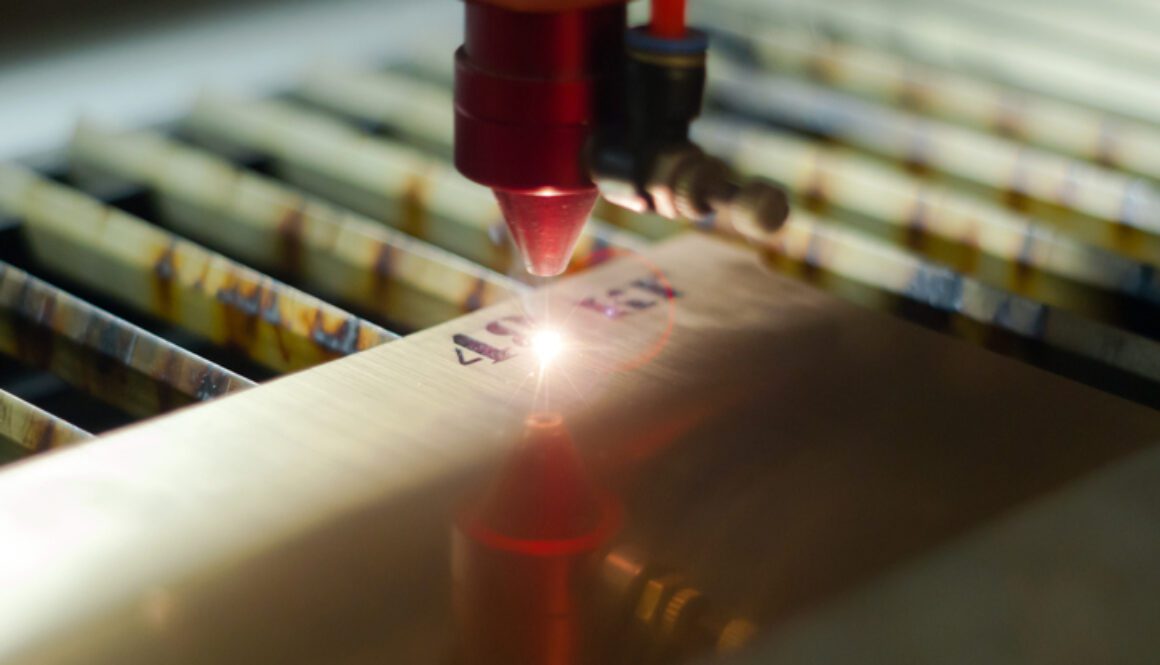
For most organic surfaces, non-contact methods are more effective. Laser marking, especially using carbon dioxide (CO₂) lasers, is a common solution. CO₂ lasers can produce a mark through:
- Ablation (surface material removal)
- A visible color change
However, laser marking does have limitations, particularly with flammable materials such as paper or corkboard, where heat exposure may be a concern.
Inkjet Printing for High-Speed Applications
For high-volume production environments, inkjet printing is often a practical alternative. Inkjet systems rely on ink absorption into the substrate, making them well-suited for materials like:
- Wood
- Cardboard
- Paper
- Corkboard
Inkjet marking is widely used in automated packaging lines, including pharmaceutical and consumer goods applications, where speed and accuracy are critical.
|
Materials |
Laser Marking |
Dot Peen Marking |
Inkjet Printing |
|---|---|---|---|
| Steel |
X |
X |
|
| Aluminum |
X |
X |
|
| Iron |
X |
X |
|
| Titanium |
X |
||
| Nickel Alloys |
X |
X |
|
| Glass |
X |
X |
|
| Paper/Cardboard |
X |
||
| Rubber/Elastomer |
X |
X |
|
| Plastics |
X |
X |
|
| Wood |
X |
X |
X |
| Concrete |
X |
||
| Leather |
X |
X |
X |
Marking Non-Organic Materials

Non-organic materials include manufactured or processed substances such as metal alloys and plastic resins. In manufacturing environments, these materials are among the most commonly marked components.
For manufacturers, examples include:
- Steel
- Titanium
- Aluminum
- Nickel alloys
- Iron
- Powdered metal
- Brass
- Copper
- Polymers and engineered plastics
Because these materials are typically harder and more durable than organic compounds, they are well-suited for permanent, direct part marking methods.
Laser Marking for Metals and Plastics
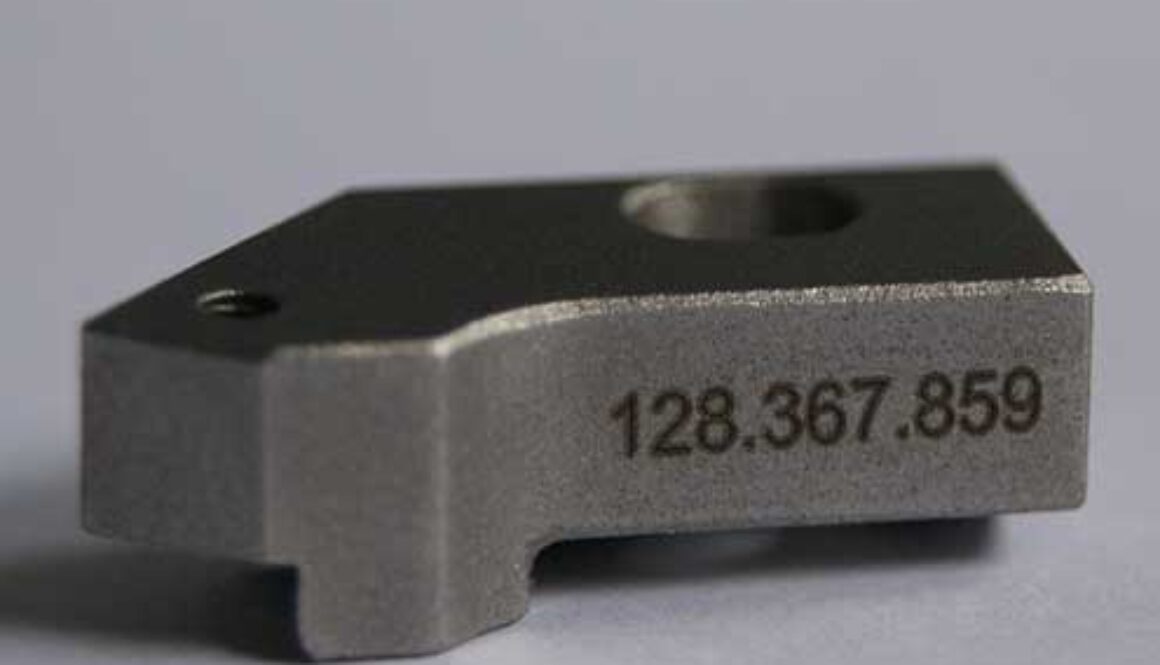
Many manufacturers rely on laser marking permanent marking on non-organic materials. Laser energy is precisely focused on the material surface to create a lasting, high-quality mark through processes such as:
- Etching
- Ablation
- Annealing
When marking plastics, lasers can also create a visible color change through a process known as foaming, which alters the material surface without cutting into it.
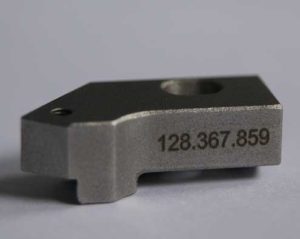
For non-organic materials, laser marking is preferred for its precision, durability, and ability to produce high-contrast marks suitable for traceability compliance.
Dot Peen for Durable Metal Marking
Dot peen marking is another widely used solution for both ferrous and nonferrous metals. This method strikes the surface in a controlled pattern, leaving a permanent mark from a series of cold-formed dots.
Because dot peen marking displaces material rather than removing it, it is considered a low-stress marking process. This makes it especially suitable for structural or load-bearing components.
Dot peen technology is commonly used in industries such as oil and gas and aerospace, where durable, long-lasting traceability marks are critical.
The Best Part Marking Method for the Right Material
Selecting the best part marking technology involves several important considerations, but material type is the logical place to start. Different materials respond differently to marking processes, and understanding those characteristics makes it much easier to narrow your options.
By identifying whether your components are organic or non-organic, and understanding how various marking methods interact with those surfaces, you can make a more informed decision that balances durability, quality, efficiency, and cost.
When the marking method aligns with the material, you’re far more likely to achieve clear, long-lasting identification that supports traceability and your overall manufacturing performance.