7 Benefits of Deep Laser Marking Methods for Long-Term Part Identification
Some industrial marks only need to last until the product ships. Others need to remain readable after years of abrasion, heat, coatings, cleaning, outdoor exposure, and normal service.
When you need to measure the life of a mark in decades rather than days, a surface-level marking method may not be enough.
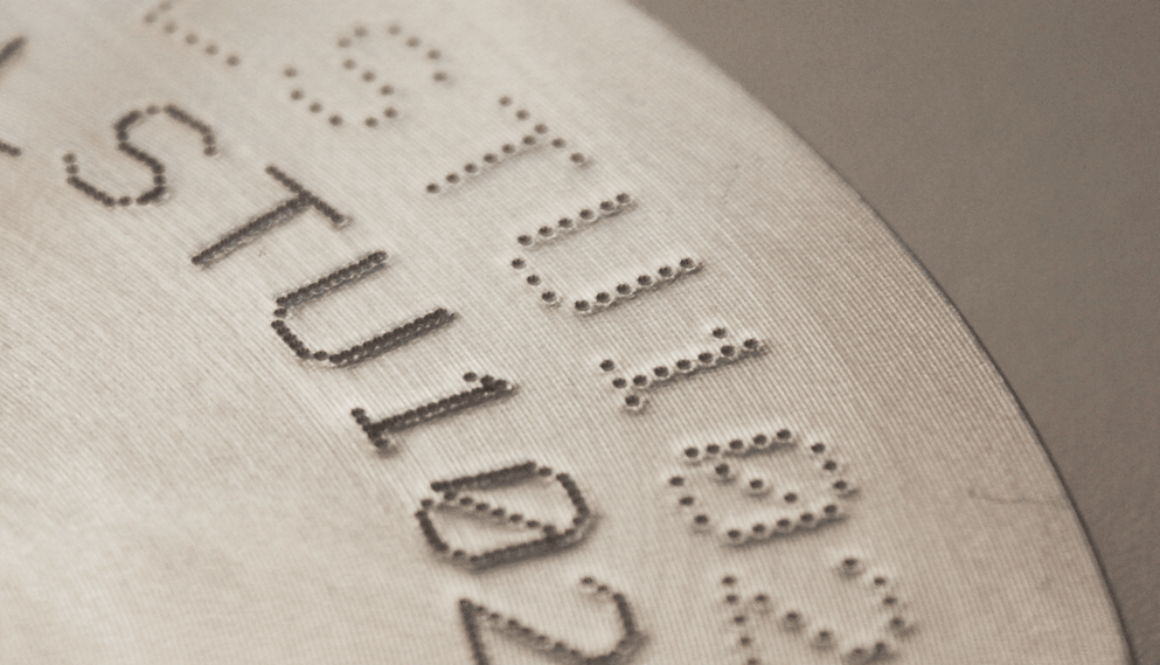
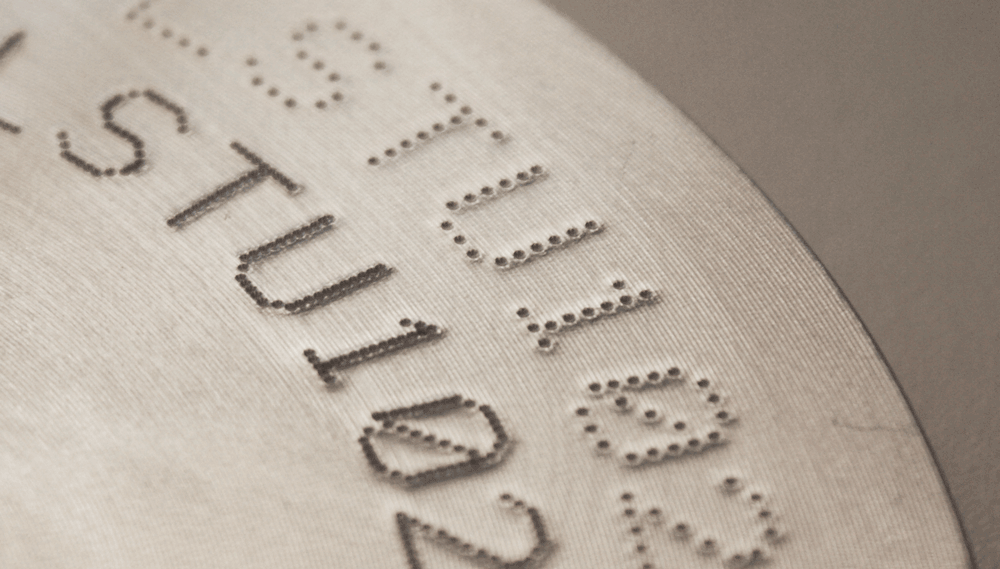
Deep marking creates identification below the immediate surface of a part. Depending on the marking technology, material, and required depth, manufacturers can use methods such as deep laser engraving or mechanical deep marking to create identification designed to withstand demanding manufacturing processes and operating environments.
How Does Deep Marking Work?
Deep laser engraving accomplishes this by physically removing material. Rather than simply changing the color or appearance of the surface, the laser creates a recessed mark.
Achieving greater depths generally requires multiple passes, with laser power, speed, focus, and other parameters influencing the finished result.

7 Advantages of Deep Laser Marking
Why go deeper? Here are seven benefits, along with applications where deep marking can make a measurable difference.
-
Deep marks can survive aggressive post-processing
-
Deep laser engraving provides excellent wear resistance
-
Permanent identification supports long-term traceability
-
Deep marking withstands demanding outdoor environments
-
Deep laser engraving creates detailed marks without tool contact
-
Deep engraving supports long-term tool, die, and mold identification
-
Deep marks can be designed around the life of the part
1. Deep Marks Can Survive Aggressive Post-Processing
One of the biggest reasons to specify deep marking happens before a component ever reaches its final application.
Parts may go through painting, powder coating, e-coating, shot blasting, bead blasting, electroplating, anodizing, heat treatment, and other finishing operations. These processes can cover, alter, or remove shallow identification marks.
A sufficiently deep mark gives the identifier more physical depth to work with. Instead of relying primarily on surface contrast, the identifying information is recessed into the component.
Application: Parts Marked Before Finishing
Consider a metal component that needs a serial number before it moves into a finishing operation. The serial number connects that physical part to its production records, so losing the mark midway through manufacturing creates a traceability problem.
2. Deep Laser Engraving Provides Excellent Wear Resistance
Tools, equipment components, fixtures, and machinery may encounter friction, repeated handling, dirt, chemicals, cleaning, vibration, and abrasive environments. Over time, that wear can reduce the readability of marks located primarily at the surface.
The physical depth that deep laser marking provides makes it valuable when the mark needs to remain identifiable despite significant surface wear.
Application: Industrial Tools and Equipment
Serial numbers, equipment IDs, maintenance identifiers, and other permanent information may need to follow a tool or component for much of its useful life.
If the surface is expected to experience substantial wear, engraving the information below that surface provides additional protection against the mark disappearing prematurely.
3. Permanent Identification Supports Long-Term Traceability
Traceability only works when you can reliably connect the physical component back to its digital or paper records.
That can include:
-
Serial numbers
-
Lot and batch numbers
-
Part numbers
-
Data Matrix codes
-
Manufacturing information
-
Inspection identifiers
Deep laser engraving is commonly used for traceability marks such as serial numbers and barcodes because the recessed mark provides long-term durability.
This becomes especially useful for components with long service lives.
Application: Heavy Equipment Components
Imagine a component returning for service 15 years after it was manufactured.
A readable permanent identifier can help the manufacturer or service provider connect that component to production data, specifications, service information, and other records.

4. Deep Marking Works Well for Demanding Outdoor Environments
Some parts spend their entire service life exposed to conditions that continually attack the surface.
Oil and gas components, structural steel, agricultural machinery, fabricated metal components, pipes, tubes, and flanges are examples of applications where identification may encounter moisture, dirt, coatings, temperature changes, and mechanical wear. Deep marking is commonly used in these types of environments because the identification needs to remain readable despite those conditions.
5. Lasers Can Create Detailed Deep Marks Without Tool Contact
Depth isn’t the only consideration.
Manufacturers may also need precise characters, logos, serial numbers, or machine-readable codes. This is where deep laser engraving offers an important advantage over some mechanical marking methods.
Laser engraving is a non-contact process. The laser removes material without a marking tool physically striking the workpiece.
Fiber lasers are commonly used for deep engraving metals because their high output and concentrated energy can remove material while maintaining precise control over the marking pattern.
Application: Automotive Identification
Automotive manufacturing can require permanent identification on components ranging from engine parts to structural and production components.
Deep laser marking systems are also used for applications such as VIN marking and permanent identification where both depth and repeatability matter.
6. Deep Engraving Can Support Tool, Die, and Mold Identification
Tooling presents an interesting marking challenge.
Molds, dies, punches, inserts, and similar components can experience thousands of cycles along with cleaning, maintenance, heat treatment, and abrasive processes.
A shallow identifier may eventually become difficult to read.
Deep laser engraving is used on molds and dies for information such as identification codes, logos, date marks, and recycling symbols. Because the mark extends into the material, it can remain readable through repeated molding cycles and maintenance processes.
7. Deep Marks Can Be Designed Around the Actual Life of the Part
Deep laser engraving removes material, so it isn’t automatically the correct solution for every permanent marking application. For example, certain aerospace components can require marking methods that minimize or eliminate material removal because excessive engraving could affect the component’s surface integrity.
The goal is to create enough depth for the mark to survive its intended manufacturing processes and service environment without unnecessarily affecting the part.
Deep Laser Engraving vs. Etching: What’s the Difference?
Laser engraving and laser etching are sometimes used interchangeably, but depth is an important distinction.
Laser engraving removes material and creates a recessed feature. Deep laser engraving takes that concept further by removing additional material, typically through repeated passes.
Laser etching generally produces a much shallower effect and can be faster when significant physical depth isn’t necessary. When selecting between laser engraving vs. etching, the required durability, material, cycle time, mark quality, and downstream processes all need to be considered.
In other words, don’t specify deep engraving simply because you want a “permanent” mark. Start with what that mark has to survive.
When Does Deep Marking Make Sense?
Deep marking becomes particularly valuable when a part needs to remain identifiable after aggressive finishing, prolonged wear, harsh operating conditions, or many years in service.
But mark depth is only one part of the equation.
Material, part geometry, available marking area, required cycle time, downstream processes, code requirements, and the structural function of the marked area can all influence the right marking method.
For one application, a deep laser engraving may provide the combination of precision and durability you need. For another, a mechanical deep marking process may make more sense. And for a component where material removal needs to be minimized, a different laser marking method may be appropriate.
Calculating which is best for your application can be tricky. The best place to start is with the part itself, the required mark, and everything that part will experience after it’s marked. Talk with our team at Technomark about your material, required depth, production process, and service environment to determine the right permanent marking method for your application.